
Rice husk, one of farming’s most stubborn waste products, is finding a second life as a strong and sustainable building material, as a recent BBC Future report by Nick Aspinwall explores.
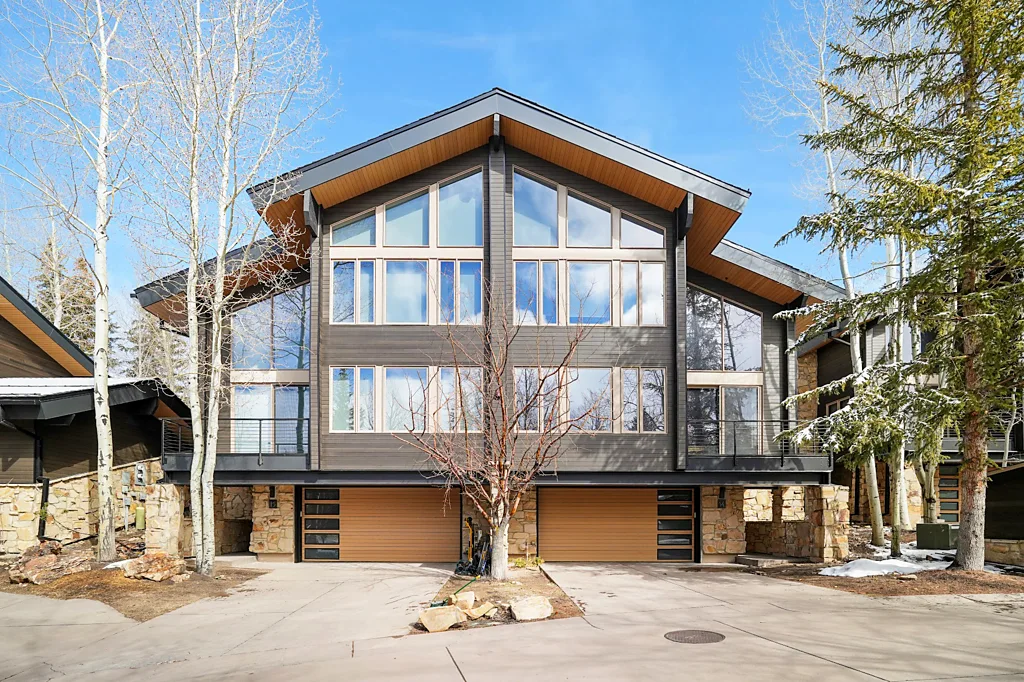
When builder David Fine took on the renovation of luxury ski condos in Park City, Utah, in 2023, he needed a cladding that could survive months of heavy snow, stand up to summer wildfires and still look like natural wood. Aluminium looked too artificial, and cedar was a fire risk. His answer was panelling made from rice husks, the tough shells left over after rice is harvested. According to Fine, the material “checked all three boxes”.
Hundreds of new homes in the US now use rice husk panelling, and the material is appearing in everything from porches to playgrounds. So what makes this humble farm leftover so useful?
The House That Rice Built
The world produces around 150 million tonnes of rice husk each year, about nine million tonnes of it in the US. Much of it is burned in fields or by roadsides, polluting the air, or left to rot, releasing methane.
Christopher Guimond spotted an opportunity while still an engineering student. He went on to lead Modern Mill, the first US company to make construction products from rice husks at scale. Since 2018, the company says it has kept more than nine million kilograms of husks out of landfill. Similar work is under way at Resysta in Germany and Ricehouse in Italy.
The secret is silica. Rice husks evolved to shield the grain from moisture, pests and rot, and their high silica content makes them naturally durable and surprisingly fire-resistant. Modern Mill’s panels have passed California’s wildfire safety testing.
The Benefits of Rice Husk
Timber is often seen as the go-to green building material, but it has drawbacks, including price swings and the loss of old-growth forests. Bamboo is gaining ground in the Global South, but rice husk has a big advantage: it is cheap and widely available, because it is already a waste product. Research also suggests that building with crop leftovers, rather than burning them, could lock away carbon for decades.
Rice husk panels also perform well for heat and sound insulation. In Italy, Ricehouse used them in a home called Casa LH to keep it comfortable and quiet.
Still, experts urge caution. Professor Sabbie Miller of the University of California, Davis, notes that proving a material is truly low-carbon requires careful lifecycle analysis, and that builders tend to be wary of unfamiliar materials. Products that don’t carry a building’s weight, like panelling, are likely to be accepted more quickly. As she puts it, “It is often easier to adopt a new floor tile material than it is to adopt a new material for a beam.”
Concrete Alternative
Researchers are also investigating rice husk ash as a partial or even complete replacement for cement, which produces around 8% of global carbon emissions. A 2025 study even proposed a low-cost, carbon-negative mix of rice husk ash, wool ash and rice straw.
This could matter most in rice-growing regions of the Global South, where husks are plentiful and billions of people lack adequate housing. Housing non-profit Build Change says new materials must strike a balance between affordability, scale and what local communities actually need.
In the US, Fine has already used rice husk panels on five more projects. They cost slightly more to install than wood, but he believes prices will fall as more builders learn to work with them, and he hopes they will last a lifetime.
Why It Matters
Turning a waste product into homes is a great example of the circular economy in action: reducing pollution, saving resources and creating new industries at the same time. It’s a reminder that some of the most exciting solutions to climate change may be hiding in plain sight.
Source: Nick Aspinwall, “The US produces millions of tonnes of rice waste each year. Now people are building homes with it”, BBC Future, October 2026. Read the full article on the BBC website.